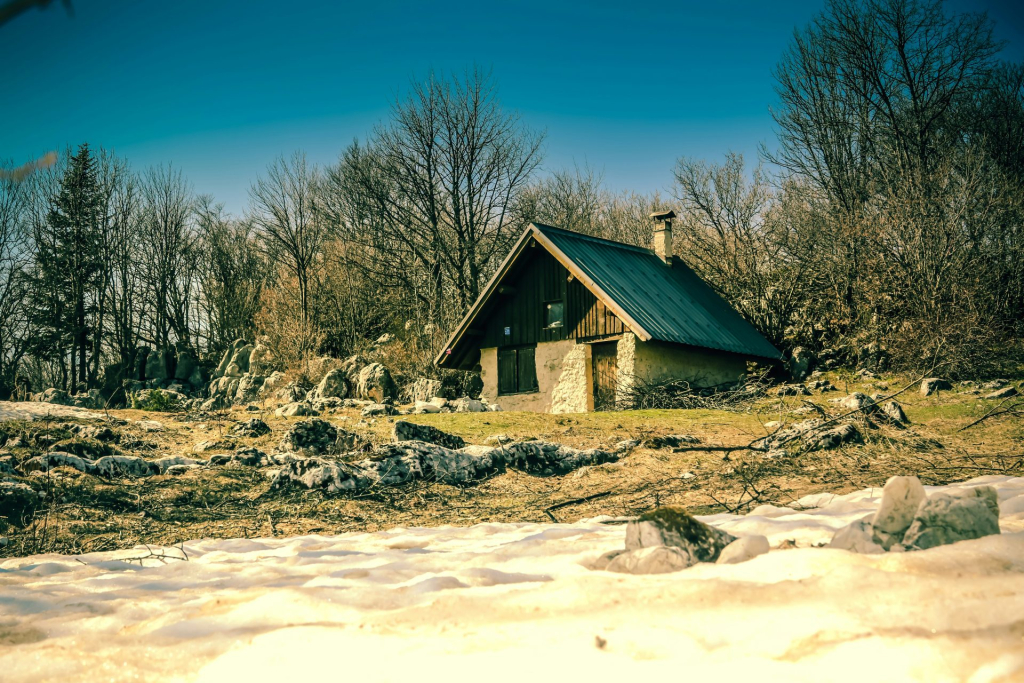

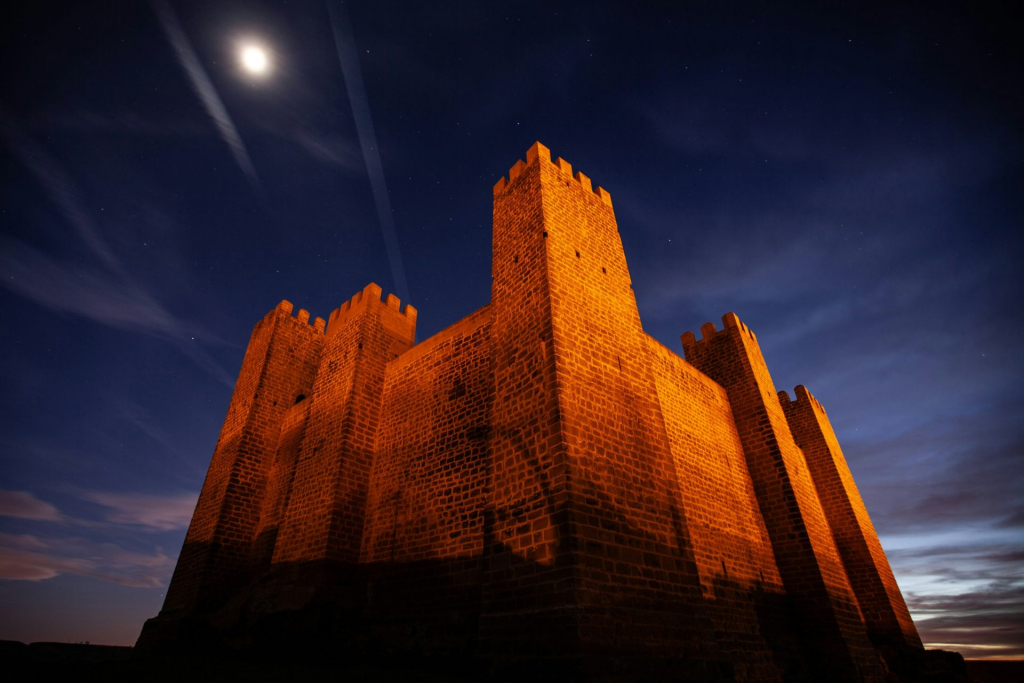
“Be my rock of refuge, to which I can always go; give the command to save me, for you are my rock and my fortress.” (Psalm 71:3)
There is a sense of strength and security and permanency in that familiar phrase, “rock of refuge.” The mind sees the image immediately and the heart recognises the protection offered before the mind can even analyse it. “Rock of refuge” does not promise the absence of storm. Rather it promises a safe place and a solidity, something that will not shift beneath your feet when the ground gives way. And it is a refuge “to which I can always go.” The image is not of temporary or intermittent comfort but of a place to return to again and again. As a place to which we can always go, this verse becomes an invitation to a habit as much as to a hope. It names a practice of coming, not once in panic, but repeatedly in trust. In wards and waiting rooms, in seasons of loss, in the slow attrition of strength and memory, the invitation remains the same. Come. Find shelter. Rest against the immovable presence of God.
I notice the language of authority in the verse too. God gives “the command to save.” Salvation here is not tentative or experimental. It is enacted by One who is both sovereign and tender. The fortress image that follows the rock reminds us that the protection offered is not only passive. It is active, deliberate, and purposeful. It pictures One who does not merely observe our peril but sends us to a safe place and then stands guard. This refuge is His appointed place for the weary, the frightened, and the faithful alike.
Are you buffeted by a storm just now? Speak this verse. Name aloud the rock and refuge when anxiety and fear arise. Let this verse steady you today. May you find a place to come continually. May the rock hold, the fortress stand, and the saving command of God be a sure refuge.