
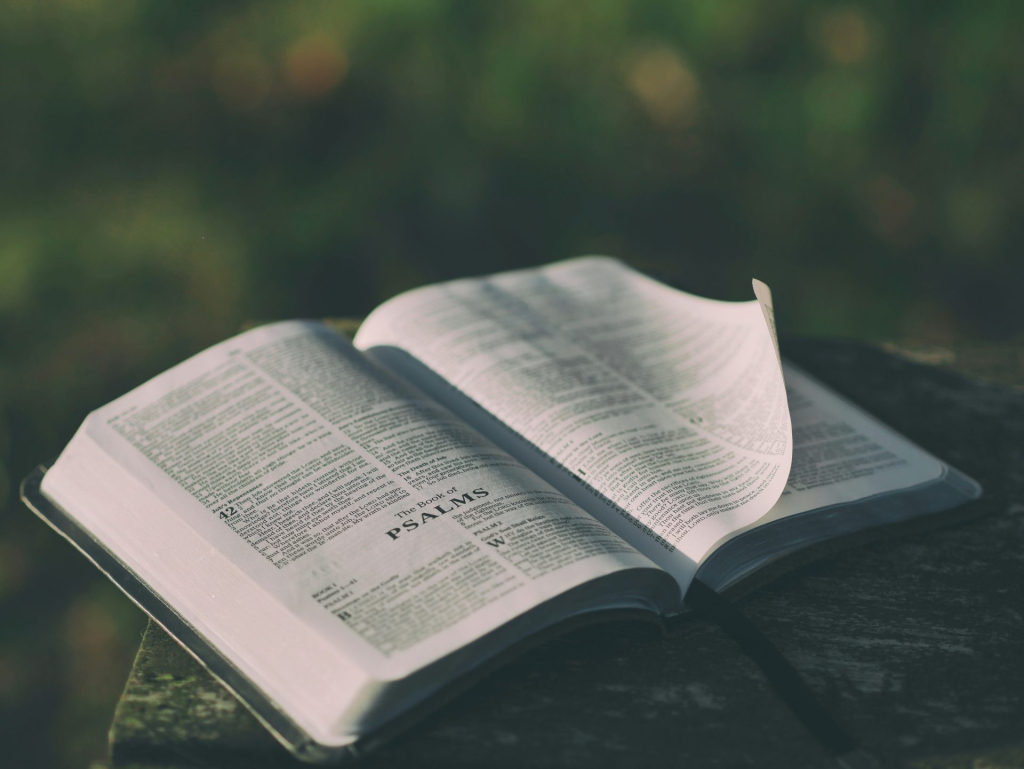

“The earth is the Lord’s, and everything in it, the world, and all who live in it…Who may ascend the mountain of the Lord? Who may stand in his holy place?” (Psalm 24:1,3)
Psalm 24 is often split up in our heads. We like the opening (vv.1-2) – expansive, reassuring, generous. The earth is the Lord’s. These are comforting words in a fragile world. Then we tend to hurry past the middle section (vv.3-6) – the searching questions, the uncomfortable mirror held up to us – before landing safely at the triumphant close (vv.7-10). It becomes a psalm of praise and confidence, a procession with banners flying.
But Psalm 24 refuses to let us glide over it too easily. If everything is the Lord’s – not just the holy bits, not just the church-shaped bits, not just the morally tidy bits – then that must also include the parts of the world, and of ourselves, that we would rather cordon off or deny. The earth is the Lord’s and everything in it. The world and all who live in it. No opt‑out clauses. No hidden annexes. And then come the questions: Who may ascend? Who may stand? Not who wants to, not who claims to, not who is loudest or most confident. But who may stand before God and remain standing? The answer is blunt: “The one who has clean hands and a pure heart, who does not trust in an idol or swear by a false god.” (v4)
This isn’t about ceremonial perfection or religious performance. It’s about integrity. Hands that are clean because they have not harmed. Hearts that are pure because they are not divided. Lives that are not propped up by substitutes for God – power, success, security, control, reputation. The psalm does not ask whether we believe the right things, but whether our inner lives and outward actions line up. Psalm 24 does not flatter us. It invites honest self-examination rather than spiritual self‑congratulation.
And yet it does not end there. Because this psalm also knows something vital about grace. The questions are not a gatekeeping exercise designed to debar us. They are a clearing of the clutter in our lives. A recognition that if the King is coming, then something in us needs to be re‑ordered to receive Him. King of glory, Lord Almighty, come in.